Article Title :
Domestic Violence Against Moroccan Women During COVID-19 Lockdown: Fes as a Case Study 
10 (2026)
1-9
Domestic Violence , COVID-19 , Women , Moroccan NGOs , wife abuse , Fez




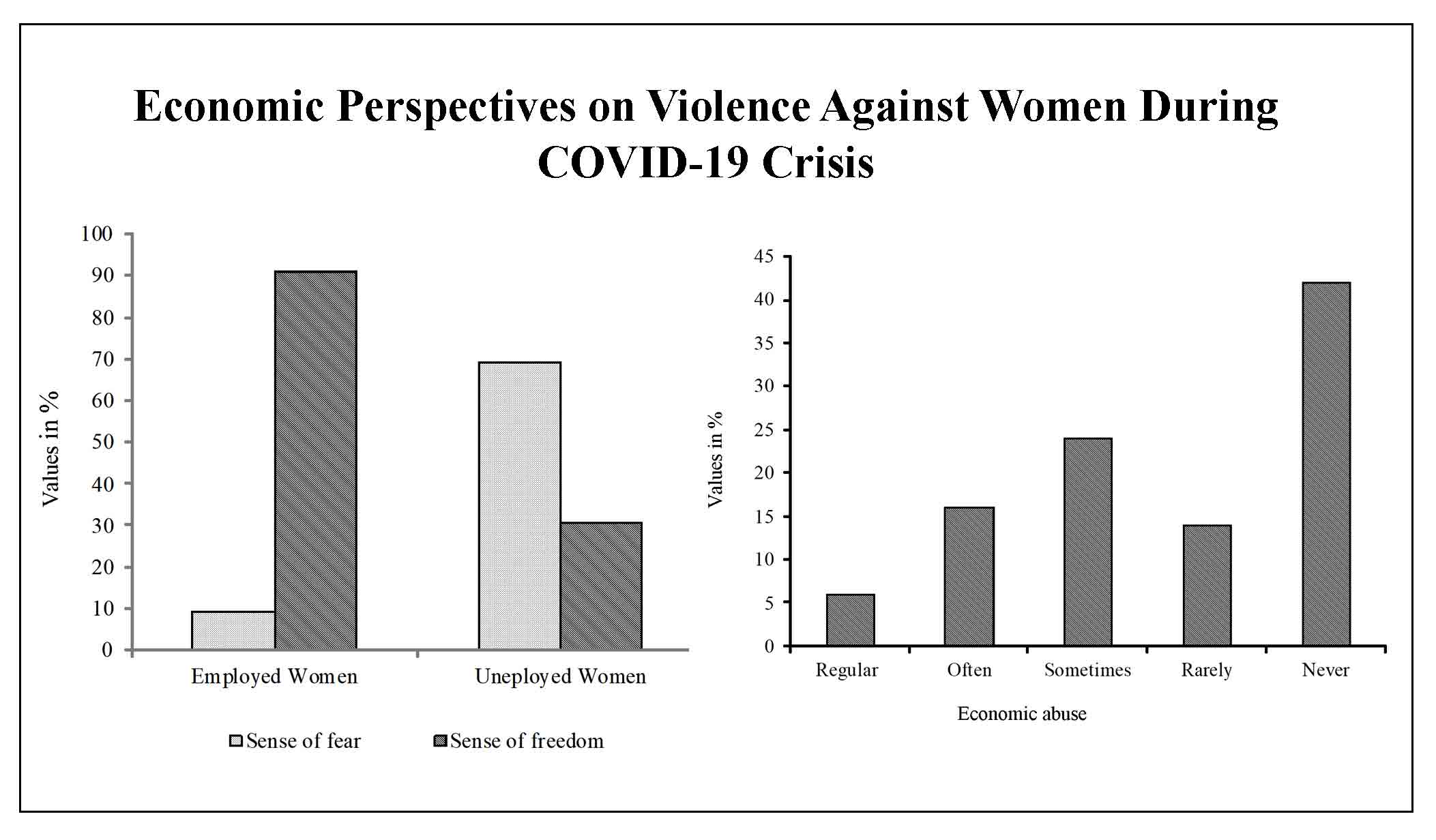
Throughout the world, countries have gone mandatorily into lockdown to stop the spread of Coronavirus. The institutions’ efforts to save lives have put one vulnerable group of people more at risk. Moroccan women who live with domestic violence have no escape from their abusers during the pandemic, and Moroccan organizations and activists reveal that they are witnessing a huge number of reports of domestic violence. This study shows how the spread of Coronavirus, an alarming rise in partner abusers, has increased against women. Despite the efforts made by the national media channels, the Moroccan government tried to raise people’s awareness about this issue, but few measures have been taken by the government to reach out to women who were undergoing violence. For this reason, this study unravels the voices of women who suffered domestic violence during the lockdown. It also aims to examine the reasons that triggered an increase in the issue within Moroccan families. Mixed methods were used to collect our data, precisely through Google form questionnaires and focus group discussions. The aftermaths of this study demonstrate that the lockdown has led to the rise of domestic violence against Fassi women. We discussed domestic violence against women in the context of social isolation, highlighting significant factors, especially financial stability, an increase in drug consumption, and women’s unemployment. In addition to studies that demonstrate the significant increase of domestic violence in Morocco. The fact that the limited social and economic conditions and lack of services could be a limitation in this case.
Investigates the impact of COVID-19 lockdown measures on the rise of domestic violence against Moroccan women.
Shows that confinement increased women’s exposure to abusers, with a significant surge in reported cases during the pandemic.
Identifies contributing factors such as financial instability, increased drug consumption, social isolation, and women’s unemployment.
Highlights the need for legislative reform tailored to the Moroccan context, an open yet conservative society, especially regarding domestic violence and family-related issues.
Suggests implementing new laws that recognize sociocultural specificities to ensure effective prevention and protection measures.
Bradbury-Jones, C., Isham, L., 2020. The pandemic paradox: The consequences of COVID-19 on domestic violence. J Clin Nurs. 13-14, 2047-2049.
Campbell, A. M., 2020. An increasing risk of family violence during the Covid-19 pandemic: Strengthening community collaborations to save lives. Forensic Sci Int Rep.
Cochran, C., 2009. Women and the Law in Islamic Societies: Legal Responses to Domestic Violence in Saudi Arabia and Morocco. The Fletcher School Online Journal on Southwest Asia and Islamic Civilization, 1-11.
Follingstad, D. R. and Rogers, M. J., 2012. Women Experiencing Psychological Abuse: Are They a Homogeneous Group? CRVAW Faculty Journal Articles, 258.
MHCP [Moroccan Haut Commissaire au Plan], 2011. Principaux résultats de l’Enquête Nationale sur la Prévalence de la Violence à l’Egard des Femmes (version française).
MRA [Mobalising for Rights Associates], 2011. The Impact of COVID-19 on Violence Against Women in Morocco.